

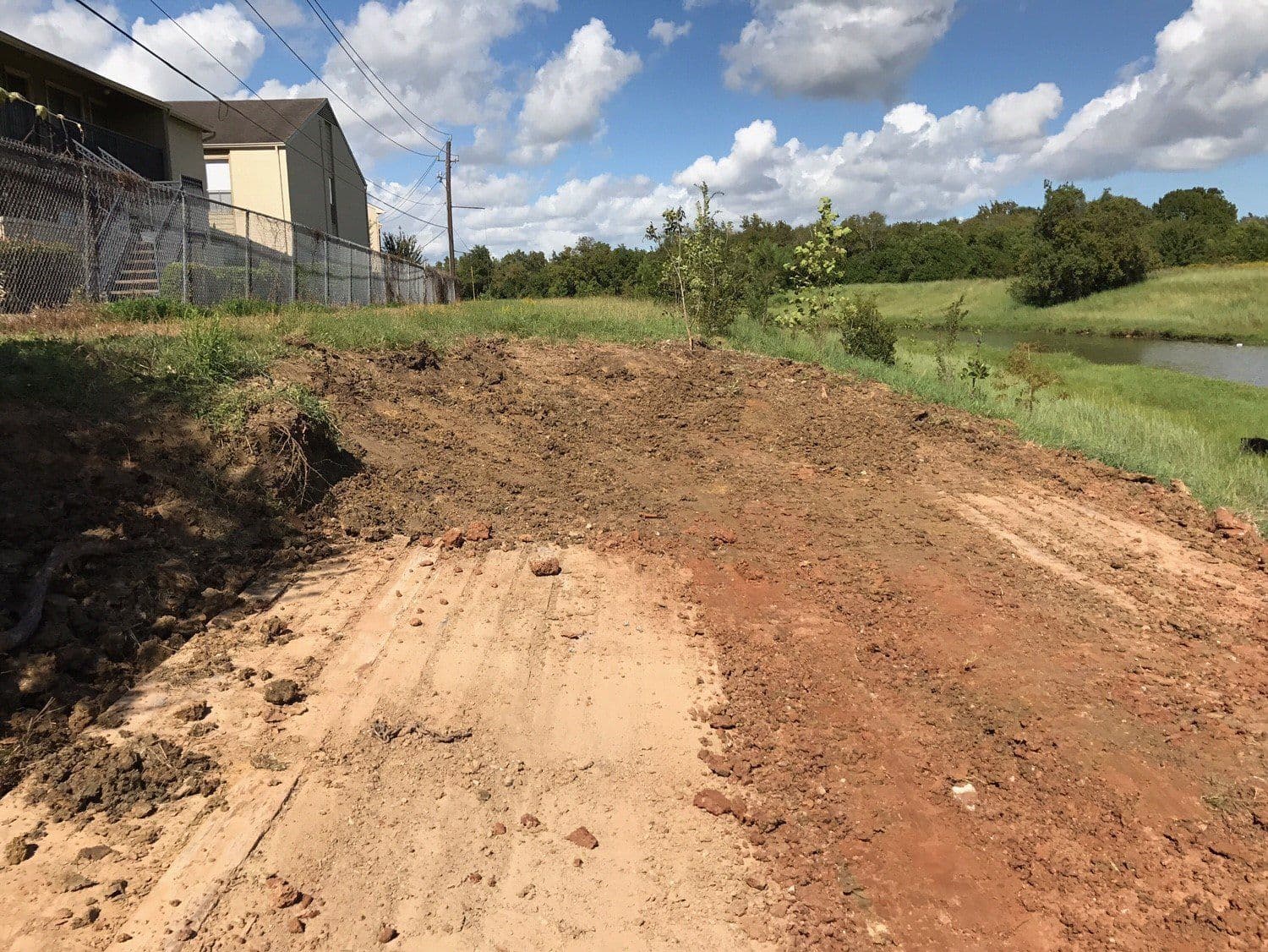
Solutions
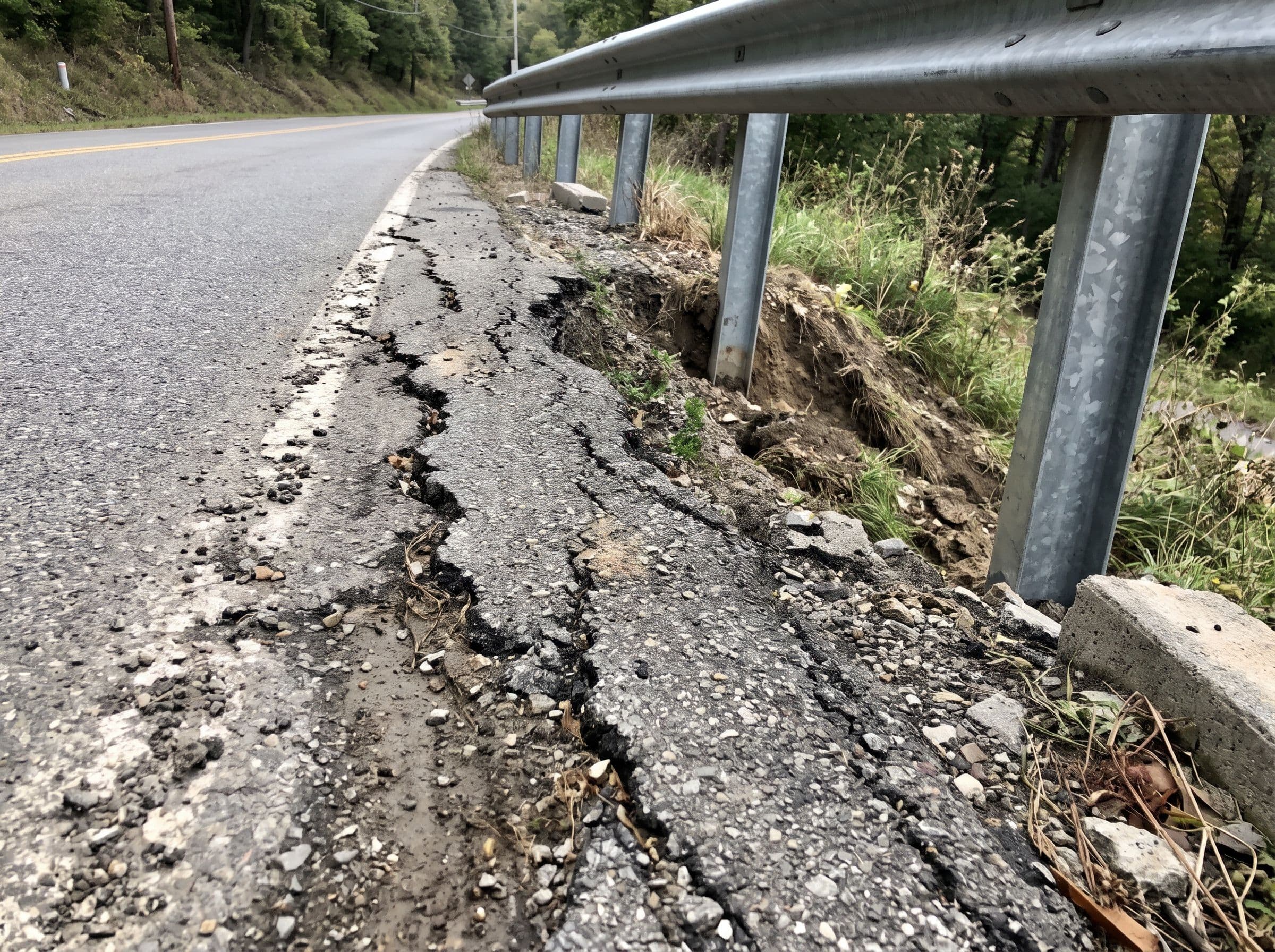
Settlement moves the ground down. Wall, embankment, and slope movement moves it out: a retaining or MSE wall that's leaning or bulging, an embankment shoulder that's sliding, or a slope losing the soil that holds it in place. The cause is usually soil behind or beneath the structure that has weakened, eroded, or become saturated, and the fix starts there. This category covers two forms of that movement: embankments and slopes, and retaining and MSE walls.
Embankment & Slope Repair
Stabilizing embankments, banks, and slopes that are losing soil or sliding, by strengthening the ground inside them, without excavating or rebuilding the structure they support.
Retaining & MSE Wall Movement
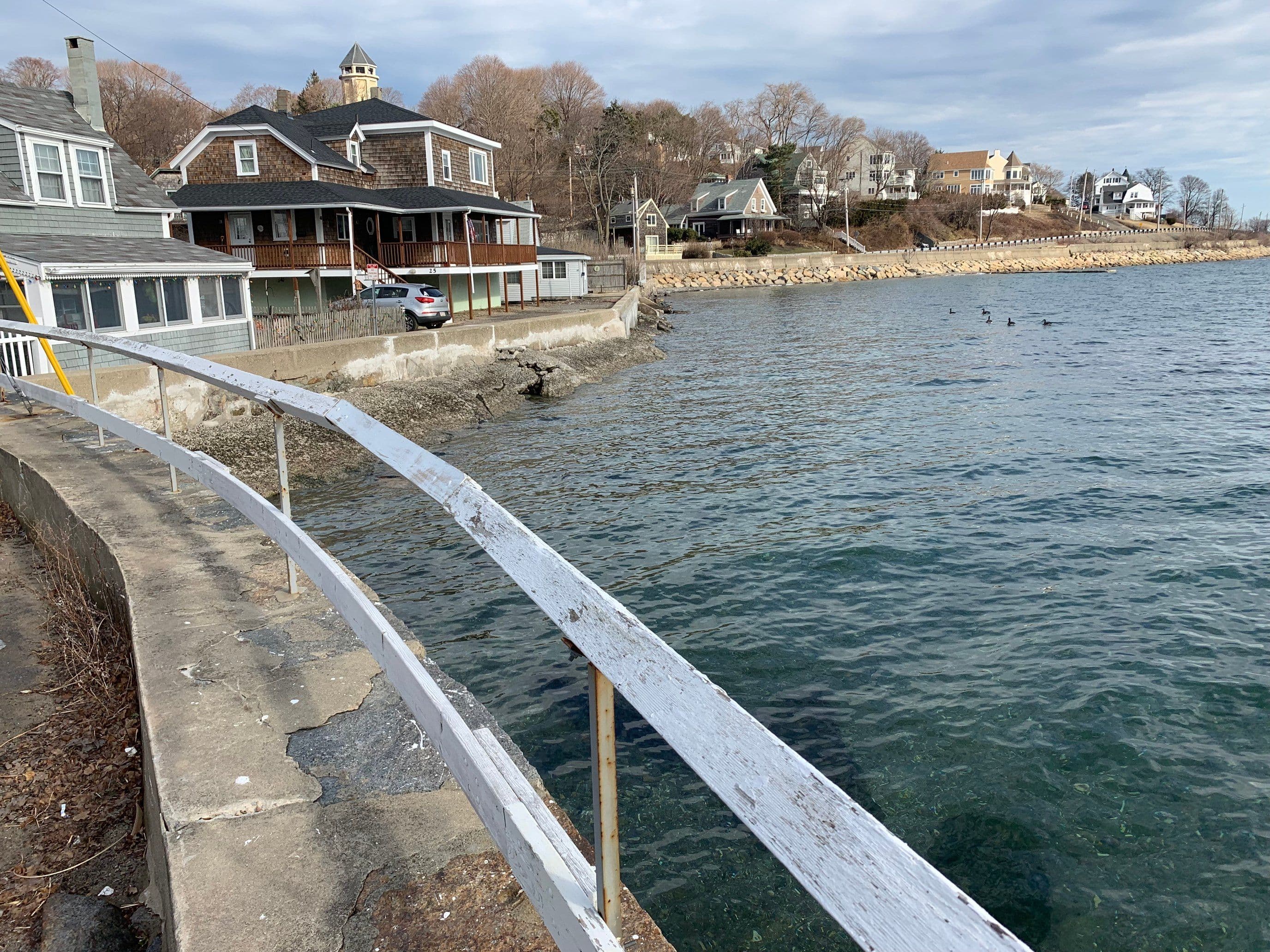
Stopping retaining and MSE walls from leaning, bulging, or losing support by strengthening the soil behind and beneath them, without taking the wall down.
Every repair starts with finding why the ground is moving, not just where it shows.

Investigation: The soil behind and beneath the wall or slope is investigated to find the weak, eroded, or saturated zone driving the movement, before any repair is designed.
Planning: Injection depth and spacing are engineered around that zone, so the repair strengthens the soil that's actually moving rather than patching the surface.
Access: Small-diameter injection points reach the soil behind a wall or within a slope with little or no excavation where conditions permit, often keeping the road, rail line, or structure above in use.
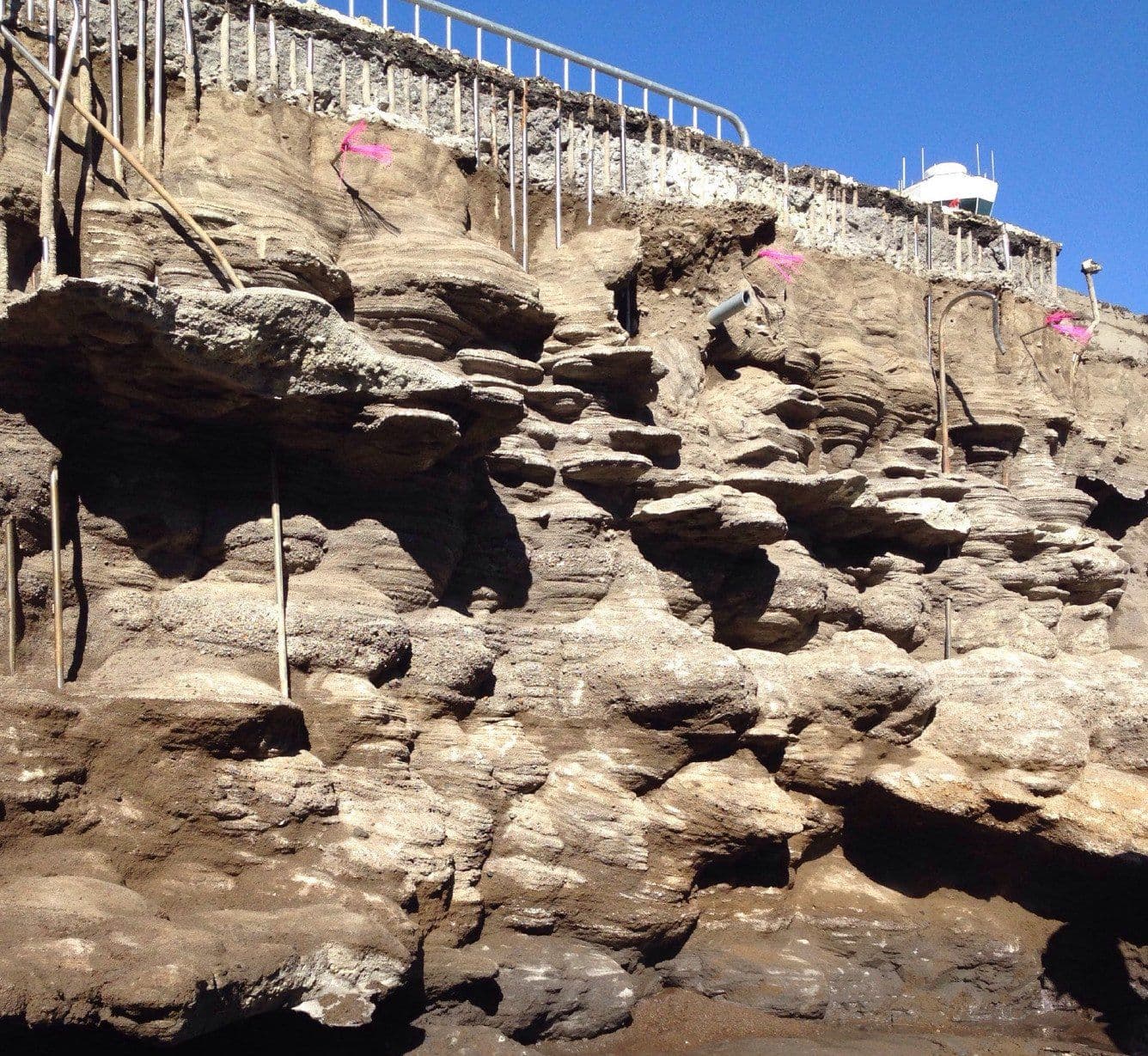
Start with what's moving. An embankment, road shoulder, or natural slope that's sliding, cracking, or losing soil points to Embankment & Slope Repair. A retaining wall or MSE wall that's leaning, bulging, or separating at its joints points to Retaining & MSE Wall Movement. Each detail page also includes an "Is This Your Problem?" section to help confirm the right fit.
Not usually. In most cases the wall or slope is reacting to the soil behind or beneath it, soil that has been saturated, washed out by water, or was never well compacted. Strengthening that soil addresses the cause rather than the symptom.
In many cases, yes. URETEK's injection process strengthens the soil behind and beneath the structure through small access points, rather than removing and rebuilding the wall or regrading the slope.
Water adds weight and pressure behind a wall or within a slope and can wash fine soil out of it, which is why movement that has been slow for years can speed up after a storm. If the ground is moving fast, Urgent Developing Conditions may also apply.
We verify the result with survey monitoring of the wall or slope before and after the work, plus testing of the treated soil where specified, and hand over the injection and test records.
Tell us what you're seeing, and we'll help you find the right fix.
Request an Assessment

 800-240-7868


