

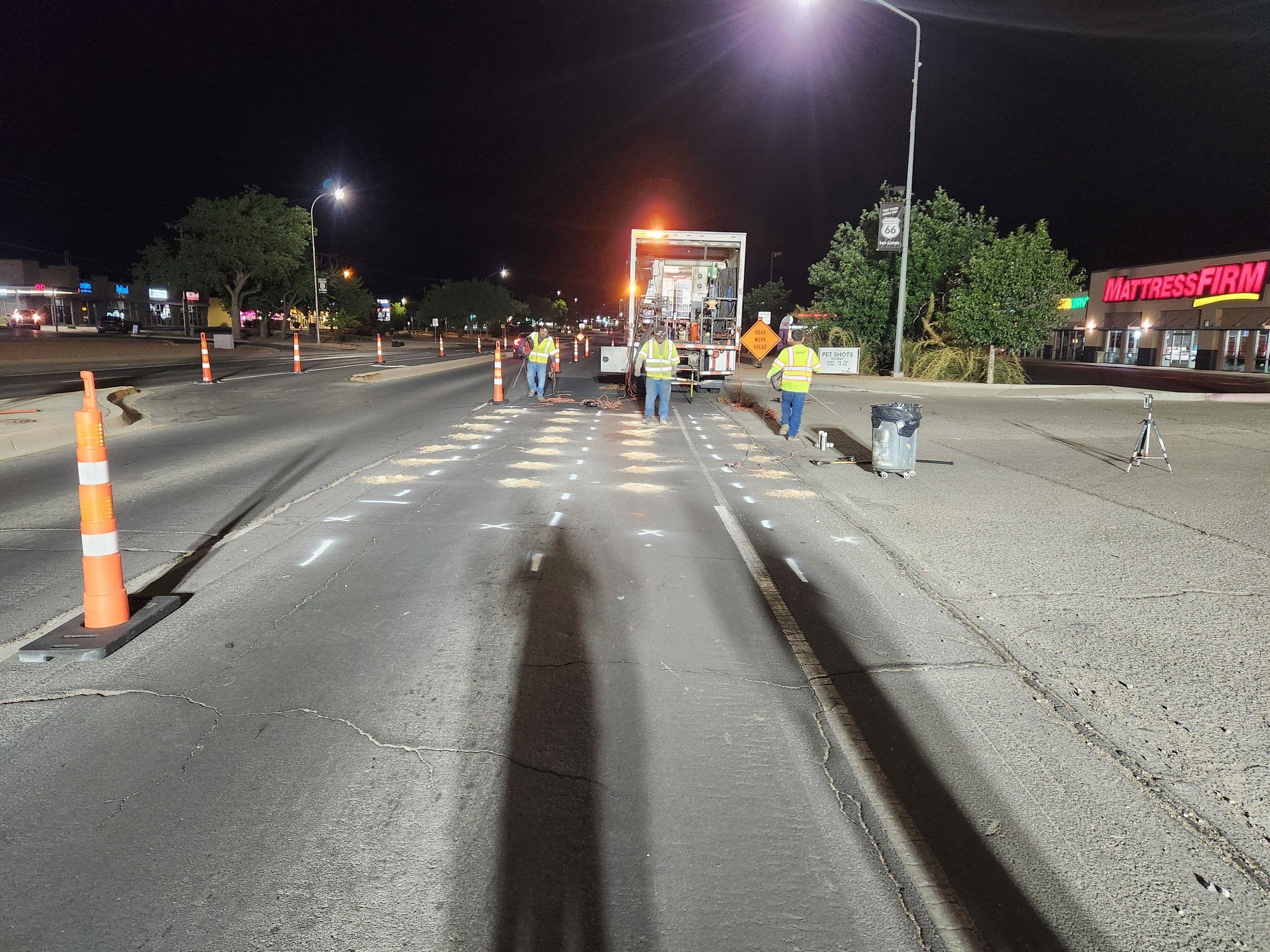
Solutions
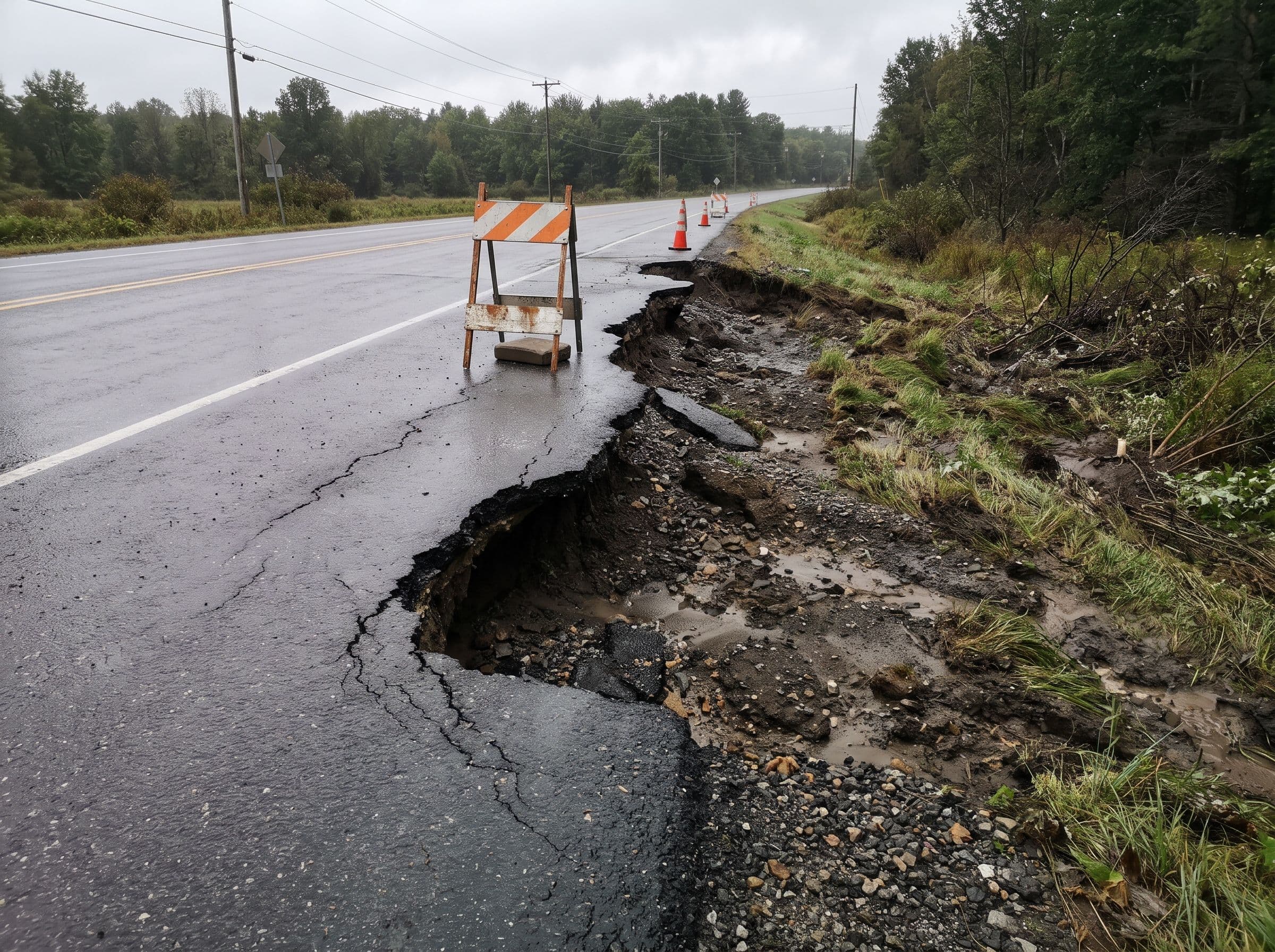
Some ground problems develop over years. Others develop overnight: a sinkhole opening in a road or parking lot, a storm washing out the soil under a roadway, or a water-main break carrying the ground away with it. These conditions keep getting worse until they're stabilized, so the response has to start fast, and the full repair is planned once the ground is under control. This category covers two of them: sinkholes, and storm washouts and water-main breaks.
Sinkholes
Filling a sinkhole directly with expanding polymer, mapped to its actual size and shape, without excavating the area open.
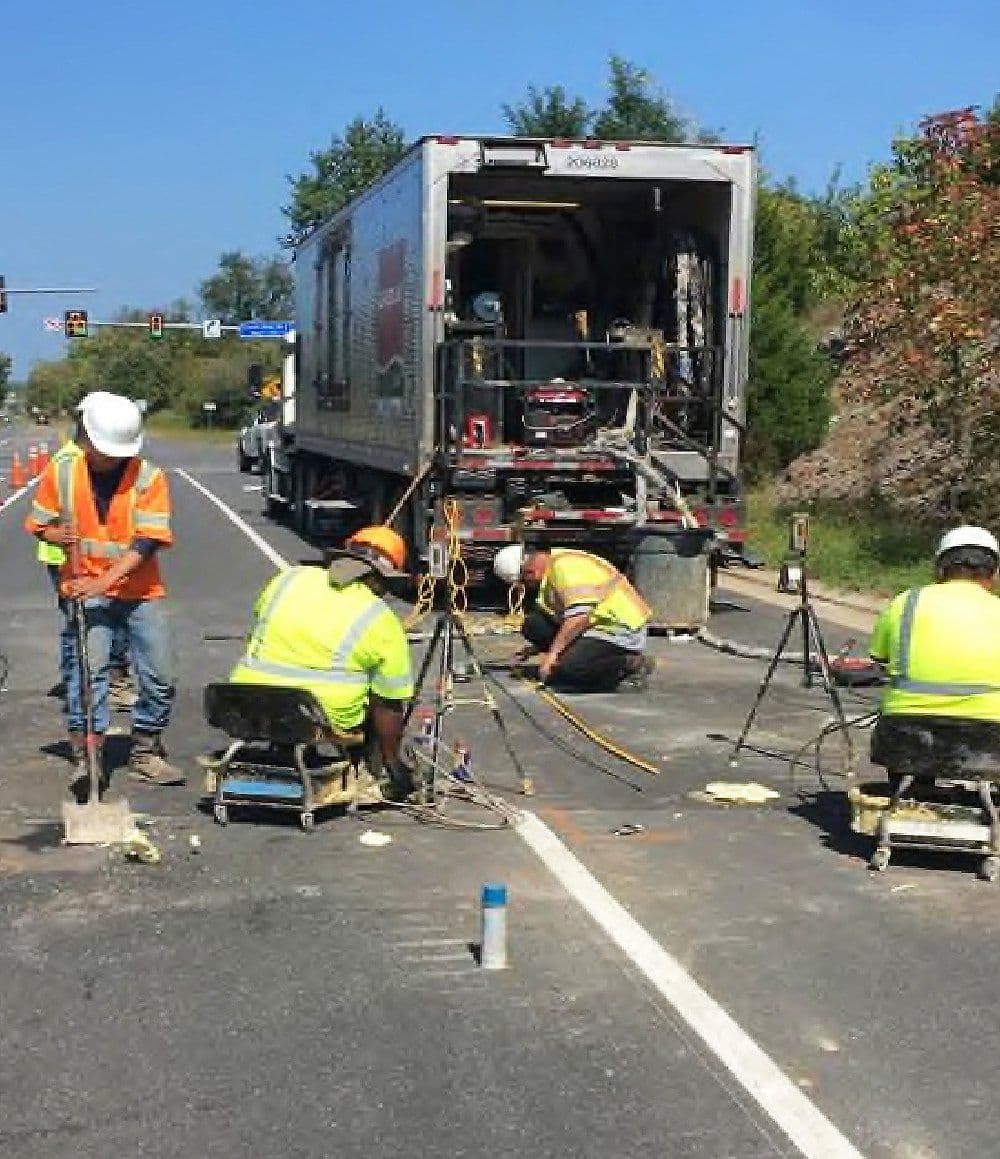
Storm Washouts & Water-Main Breaks
Stabilizing ground that a storm, flood, or broken water main has washed out, filling the voids and restoring support fast so the road or site above can reopen.
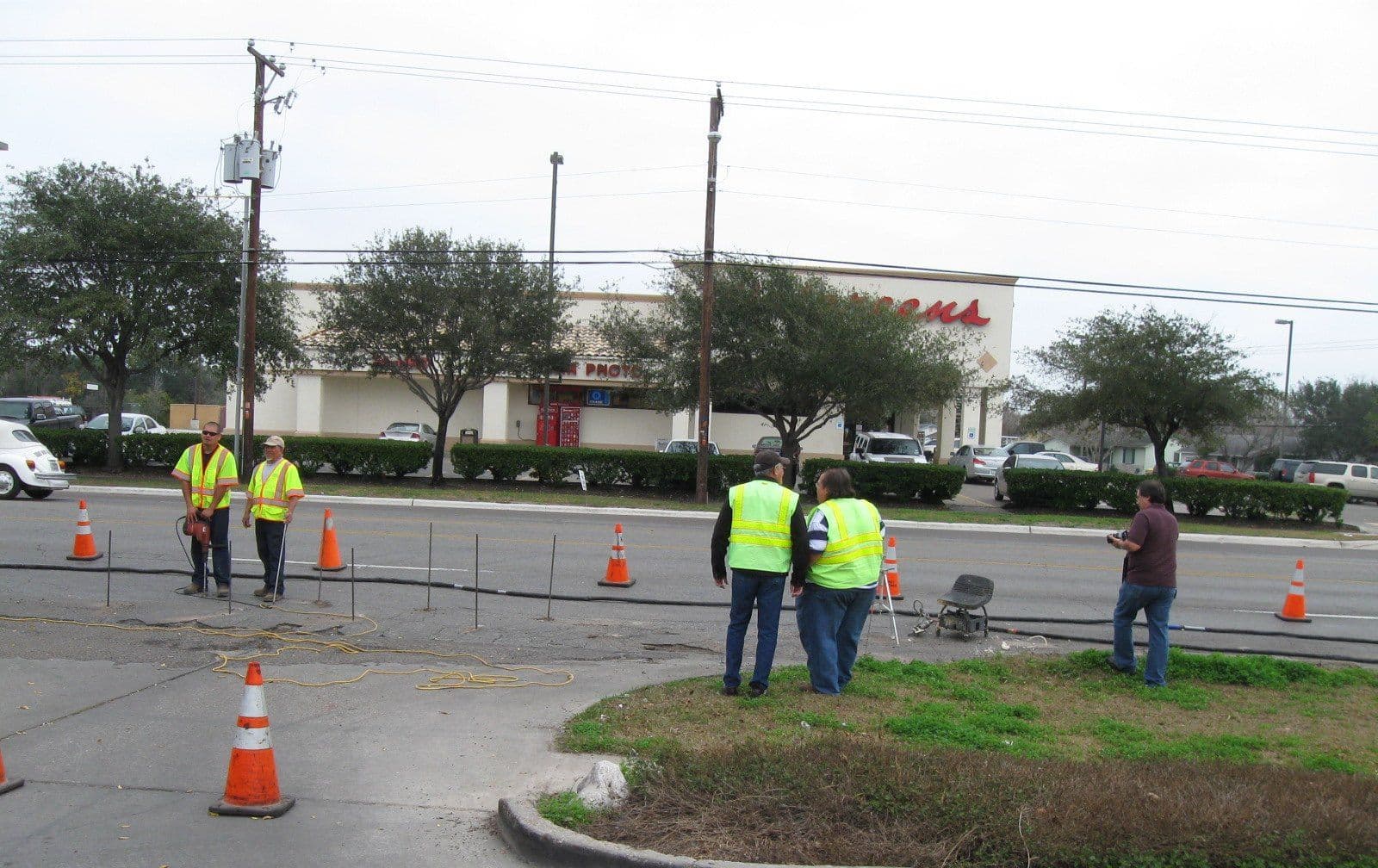
Fast response, without skipping the step that confirms what's actually underground.

Response: Crews mobilize on the schedule the site needs, including nights, weekends, and true emergencies, in a self-contained unit.
Investigation: The extent of the void or washout is confirmed by inspection or testing before the repair is finalized, so the fix covers the full problem, not only the visible hole.
Access: Small-diameter injection points fill voids and stabilize the soil with little or no excavation where conditions permit, so roads and facilities can return to use quickly.
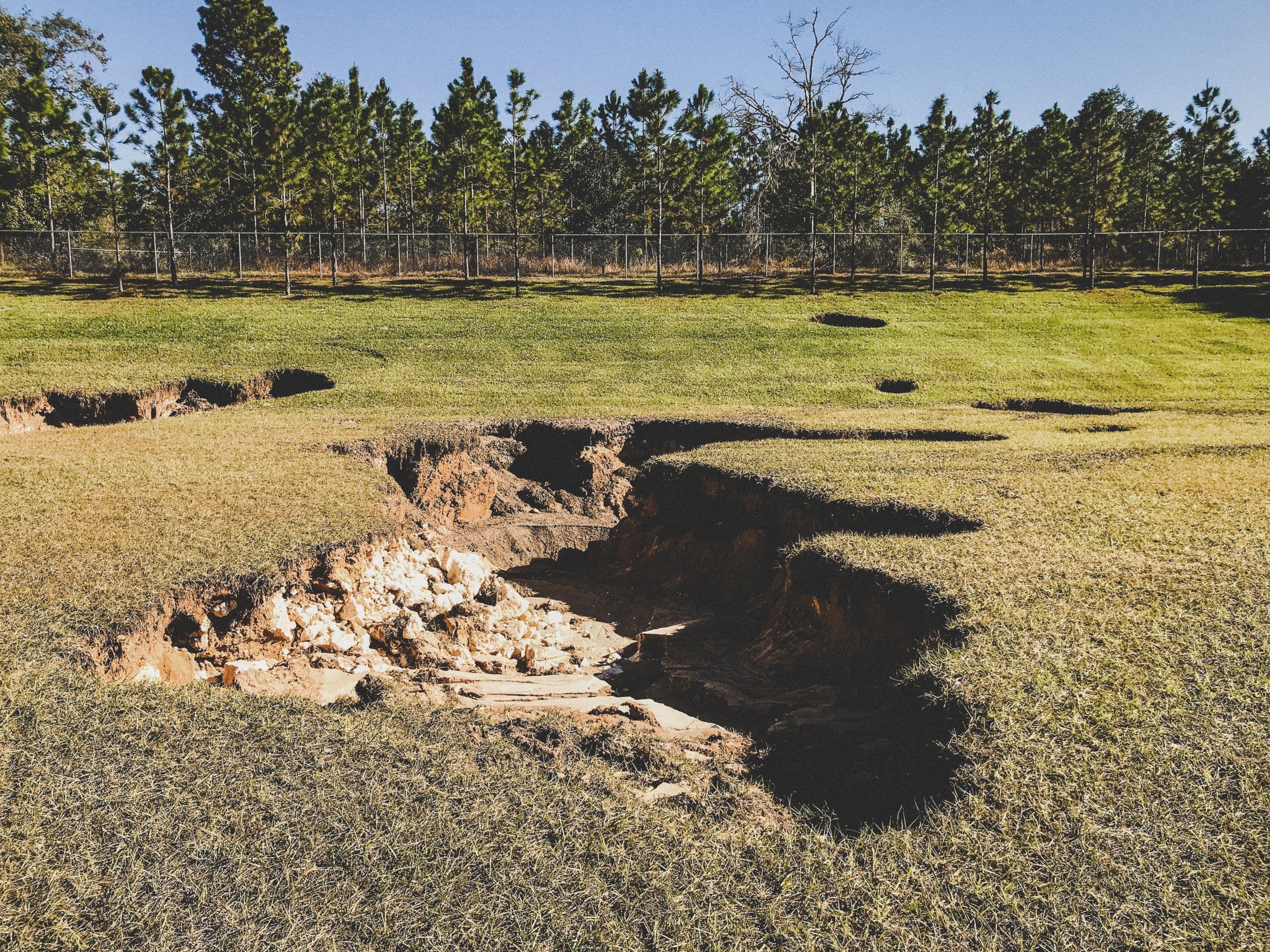
A hole or depression that has opened in the ground, often with no obvious single cause, points to Sinkholes. Ground washed out after a storm, flood, or water-main break, where the water source is known, points to Storm Washouts & Water-Main Breaks. Each detail page also includes an "Is This Your Problem?" section to help confirm the right fit.
Crews mobilize on the schedule the situation needs, including nights, weekends, and true emergencies. The first priority is stabilizing the ground; the full repair follows once its extent is confirmed.
If the ground is actively moving or a void is open, keep traffic and people off it until it's assessed. Once the ground is stabilized, most sites return to use quickly, because the work is done through small access points rather than open excavation.
It doesn't have to be. The same injection that stabilizes the ground fills the void and strengthens the surrounding soil, so in many cases the emergency work is also the repair. We verify the result with GPR or coring where specified.
It can if the cause isn't addressed. A broken pipe, a drainage path, or ongoing erosion has to be fixed or redirected too, which is why the investigation looks for what removed the soil, not just where it went.
Tell us what you're seeing. URETEK crews respond fast, including nights, weekends, and emergencies.
Request an Assessment

 800-240-7868


