

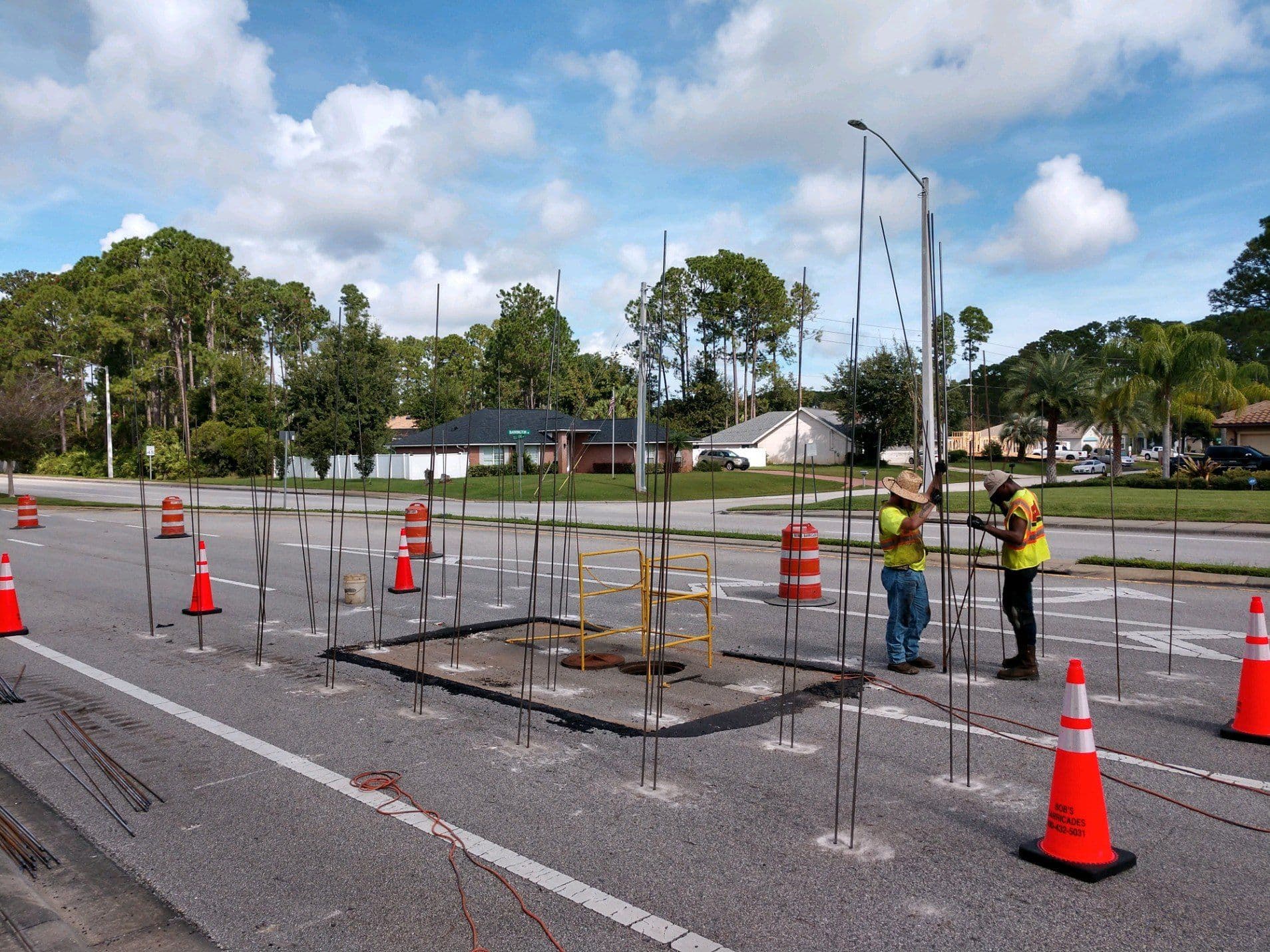
When a storm, a flood, or a broken water main moves water through the ground, it takes the soil with it, and the road above can drop in hours.
Applied in these Services
Emergency Ground Stabilization

Void Filling
Related Industries
Municipal Infrastructure
Transportation
Need a Site Assessment?

800-240-7868

When a storm, a flood, or a broken water main sends water through the ground, it carries the soil with it. The pavement or slab above loses its support and settles, cracks, or drops, often within hours, and the voids left behind keep growing until they're filled. URETEK stabilizes that ground fast: once the water source is repaired or under control, expanding polymer is injected through small holes in the pavement to fill the voids, compact the washed-out soil, and, where needed, lift the surface back to grade, with little or no excavation where conditions permit. Cities, utilities, transportation departments, and property owners call on it when a washout has closed a road or a site and the repair can't wait for a dig-and-replace schedule.
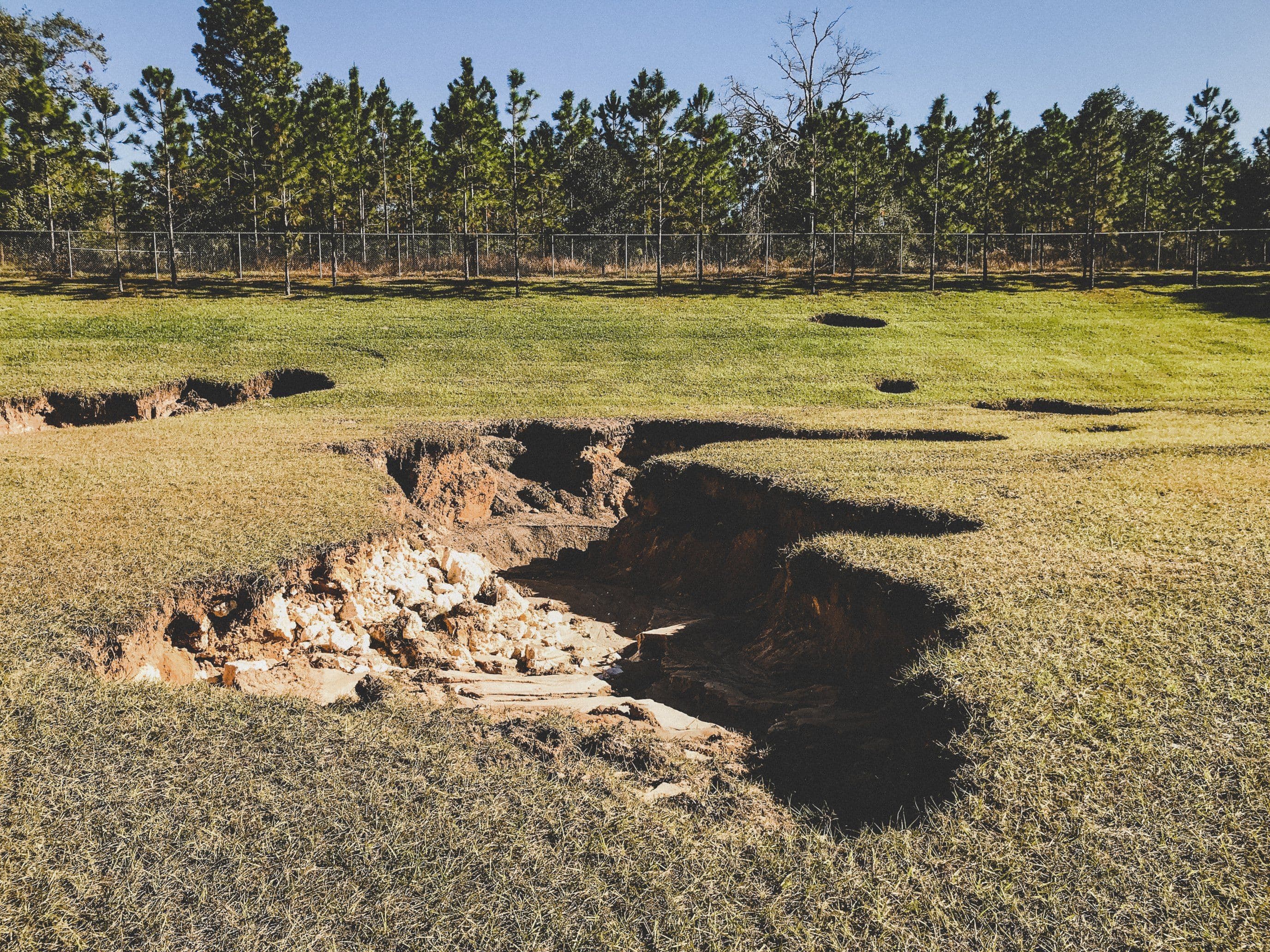
A washout almost always starts with water moving where it shouldn't, fast. Here's what URETEK sees most often.

A water main or service line breaking and washing out the soil around and above it
Floodwater putting pressure on manholes, culverts, and pipes, then carrying subgrade soil away as it drains
Heavy rain or storm runoff concentrating at a weak spot and scouring the soil beneath pavement or along a slope
Wave action and seawater intrusion hollowing out the ground beneath coastal roads and bluffs
A washout usually announces itself quickly. Watch for these.
Water surfacing through pavement, joints, or cracks with no rain to explain it
Pavement or a slab dropping or cracking suddenly after a storm, flood, or water-main break
A depression or hole forming over a known utility line or around a manhole
A recently repaired water main or sewer line with the ground above it still settling
Fissures opening in a roadway or bluff above a coastal or riverside area
Traffic lanes, ramps, or access roads closed because the surface is no longer safe
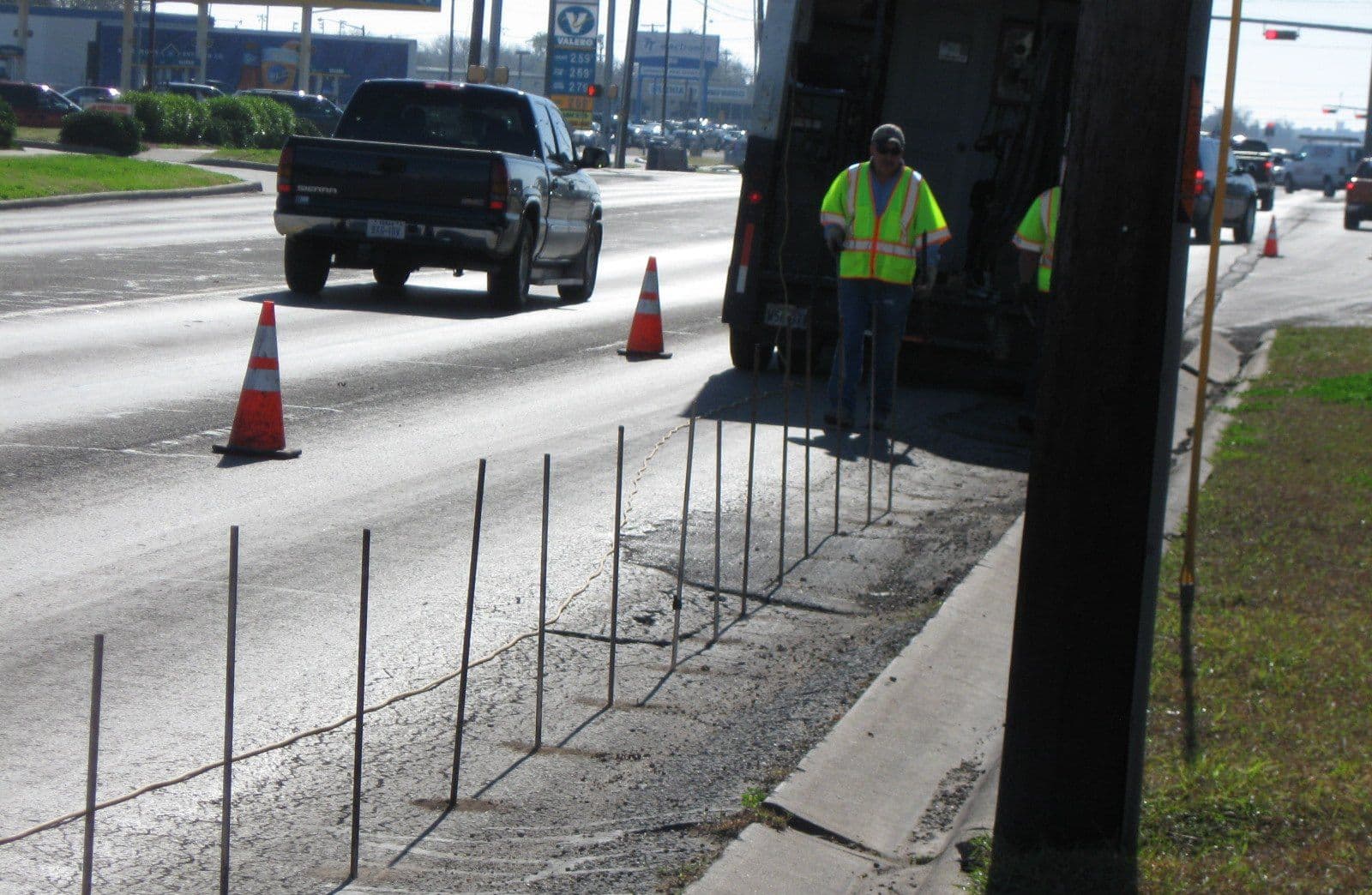
This is the right page when a storm, flood, or broken water main has washed soil out from under a road, slab, or site, and the ground needs to be stabilized fast.
It's not the best fit in every case. Check these first:
 A hole opened in the ground with no clear water event behind it? See Sinkholes.Soil has been washing out slowly over time rather than suddenly? See Soil Loss & Erosion Voids.An embankment or the ground behind a seawall has been eroding for a while? See Embankment & Slope Repair.
The water source, a broken main or a damaged drainage structure, has to be repaired or controlled first; URETEK works with the owner's crews on the sequence.
What filling the voids and restoring support from below, instead of digging the area out, actually gets you.
Restores support fast. A ruptured 10-inch water main washed out the soil under an airport access ramp in the Dallas-Fort Worth region over a holiday weekend; the ramp was lifted back to grade and reopened within 12 hours of the first call
Avoids deep excavation. On I-15 near Lake Elsinore, California, where a broken water main had left voids about 20 feet down, Caltrans District 8 ruled out a 25-foot excavation; URETEK Deep Injection® filled the voids and stabilized the subgrade instead
Protects the utility that was just repaired. On the same I-15 project, the lined water main was monitored before, during, and after injection, and no damage resulted
Works in historic and sensitive areas. After Mississippi River floodwater collapsed a manhole and opened voids beneath St. Louis streets, URETEK filled the voids in one day without compromising the newly installed manhole
Stabilizes ground that's still moving. On the La Jolla, California coastal bluff, where a growing sea cave threatened a roadway, injection on a 4-foot grid to 20 feet stabilized the ground for permanent concrete fill, finishing four days ahead of schedule
Emergency Ground Stabilization and Void Filling, the Services, perform this fix, chosen based on whether the ground is still moving or the void just needs filling
URETEK's general approach starts once the water source is repaired or under control. Testing such as a Dynamic Cone Penetrometer locates the voids and weak soil, and the injection plan is set for the depths involved, deep around a repaired pipe and shallower beneath the pavement. Crews then inject expanding polymer through small holes in the surface to fill the voids, compact the washed-out soil, and lift the surface back to grade where it has dropped, with elevation monitored throughout. We verify the result with GPR, DCP testing, or an elevation survey matched to the site.
This is the combined job Emergency Ground Stabilization and Void Filling perform. It's different from Sinkholes' focus on a collapse with no known water event, and from Soil Loss & Erosion Voids' slower, ongoing erosion.
URETEK has stabilized washed-out roads, ramps, and coastal ground for city agencies, sewer districts, and departments of transportation nationwide, often on an emergency schedule.



Often within a day. After a ruptured water main washed out an airport access ramp in the Dallas-Fort Worth region, the ramp was lifted back to grade and reopened within 12 hours of the first call. In St. Louis, voids opened by Mississippi River floodwater were filled in one day.
Usually not. On I-15 near Lake Elsinore, California, Caltrans District 8 ruled out a 25-foot excavation as too costly and time-consuming. URETEK Deep Injection® filled the voids about 20 feet down near the repaired water main and stabilized the soil 4 and 8 feet beneath the pavement, working through holes drilled in the road.
Not when it's planned around them. On the I-15 project, local water officials approved the injection plan and the lined water main was monitored before, during, and after injection, with no damage. In St. Louis, the repair did not compromise the newly installed manhole.
Yes. In La Jolla, California, where a growing sea cave beneath a coastal road had opened a fissure, injection on a 4-foot grid to 20 feet stabilized the ground so crews could safely place permanent concrete fill. Crews mobilized within three days of the call and finished four days ahead of schedule.
Testing comes first. On I-15, Dynamic Cone Penetrometer tests located voids about 20 feet down before the injection plan was set, and all identified voids near the repair were filled. We verify the result with GPR, DCP testing, or an elevation survey matched to the site.
Get the voids filled and the ground stabilized so the road or site can reopen. URETEK crews respond fast, including nights, weekends, and emergencies.
Request an Assessment

 800-240-7868


