

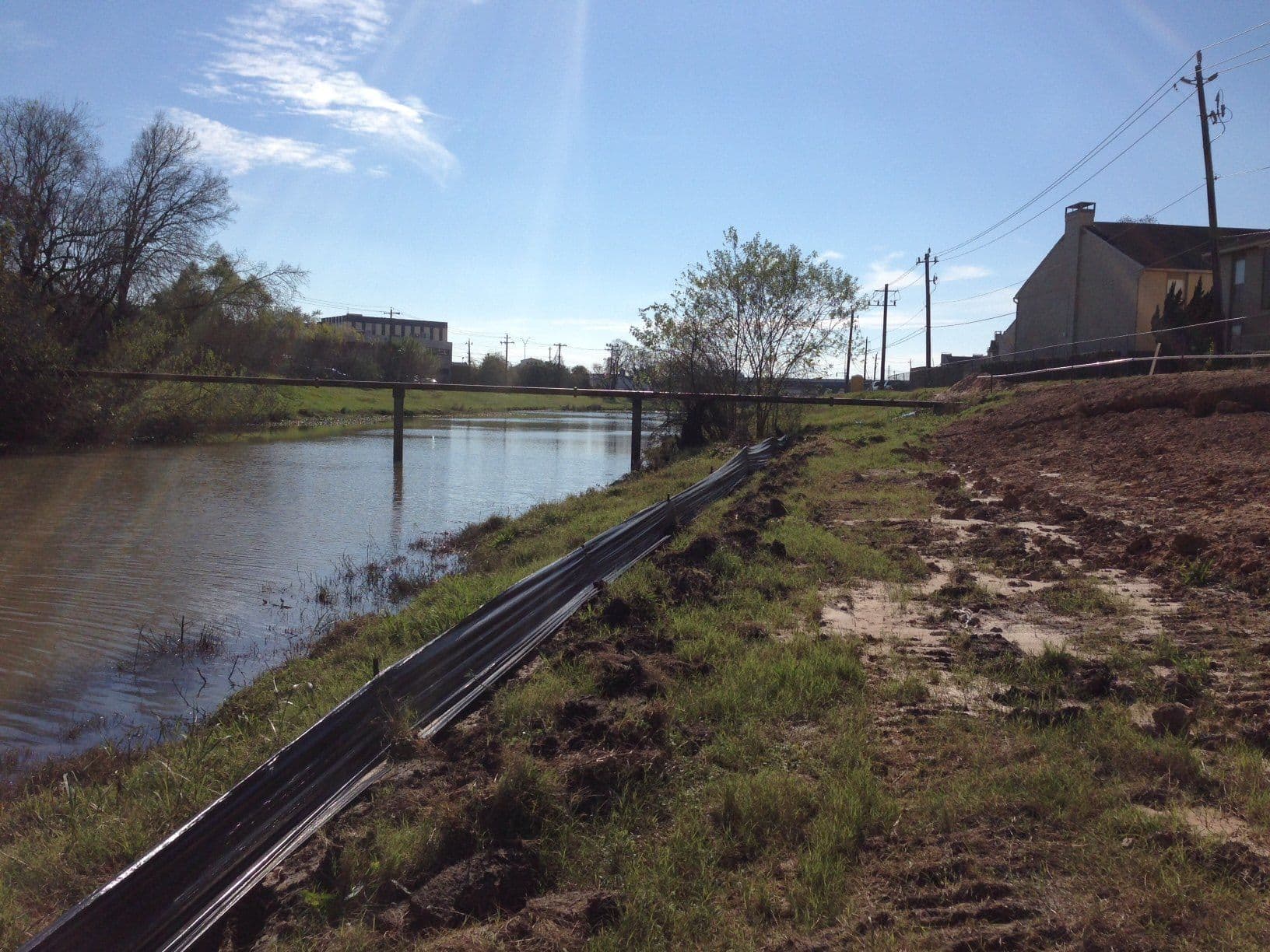
An embankment rarely fails all at once. Water takes the soil out of it a little at a time, until the road, promenade, or wall it carries has nothing left underneath.
Applied in these Services
Soil Stabilization

Retaining Wall Stabilization
Related Industries
Marine and Coastal
Municipal Infrastructure
Need a Site Assessment?

800-240-7868

An embankment rarely fails all at once. Tidal water, a leaking joint, a failing drain, or a steady current takes the soil out of it a little at a time, and the slope, shoulder, or wall it supports starts to crack, sag, or slide. URETEK strengthens the soil inside the embankment in place: expanding polymer fills the voids that erosion has opened and consolidates the loose soil around them, on a planned grid and at the depths the investigation calls for, with little or no excavation where conditions permit. Cities, transportation departments, and waterfront owners use it when an embankment, bank, or slope is losing ground but the structure on top of it is still worth keeping.
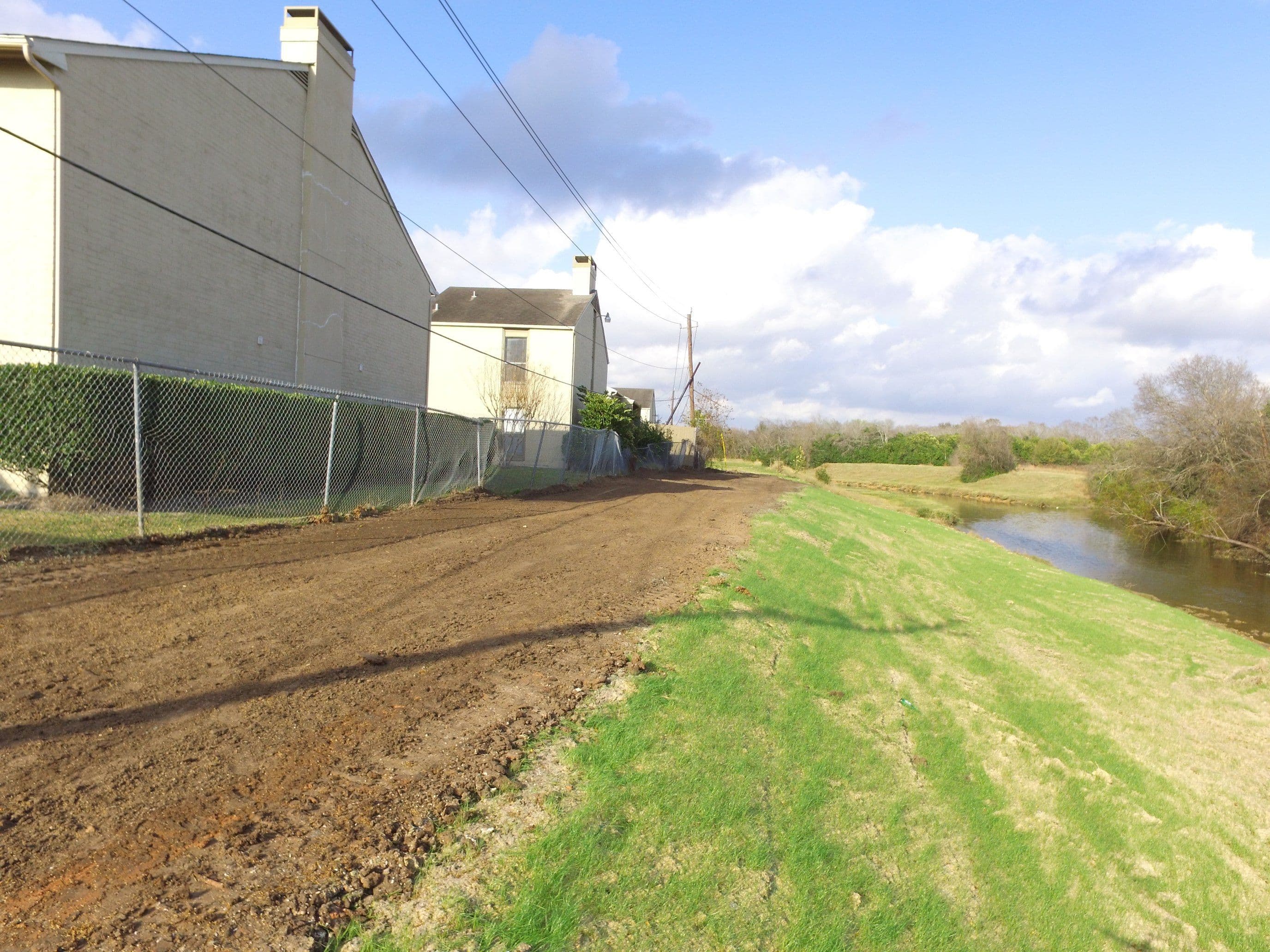
Embankment and slope problems usually come down to water moving soil out of the ground. Here's what URETEK sees most often.

Tidal action or wave energy scouring soil from behind and beneath a seawall or bulkhead through its joints and cracks
Leaking joints or a failing drainage structure carrying fine soil out of an embankment every time water flows through
Flowing water or current gradually eroding the soil along a bank, pond edge, or waterway
Heavy rain, seasonal storms, or flooding saturating slope soils until they lose the strength to hold their shape
An embankment that's losing soil usually shows it at the top before it fails. Watch for these.
Cracking, sagging, or depressions along the top of an embankment, road shoulder, or promenade
Voids or hollow sections found behind or beneath a wall at the edge of an embankment
Soil or sand washing out through wall joints, cracks, or weep holes
A bank, slope, or pond edge that is visibly receding or changing shape over time
A drainage outfall or structure along the embankment losing the soil that supports it
Surface repairs at the same spot along a slope or embankment that keep failing
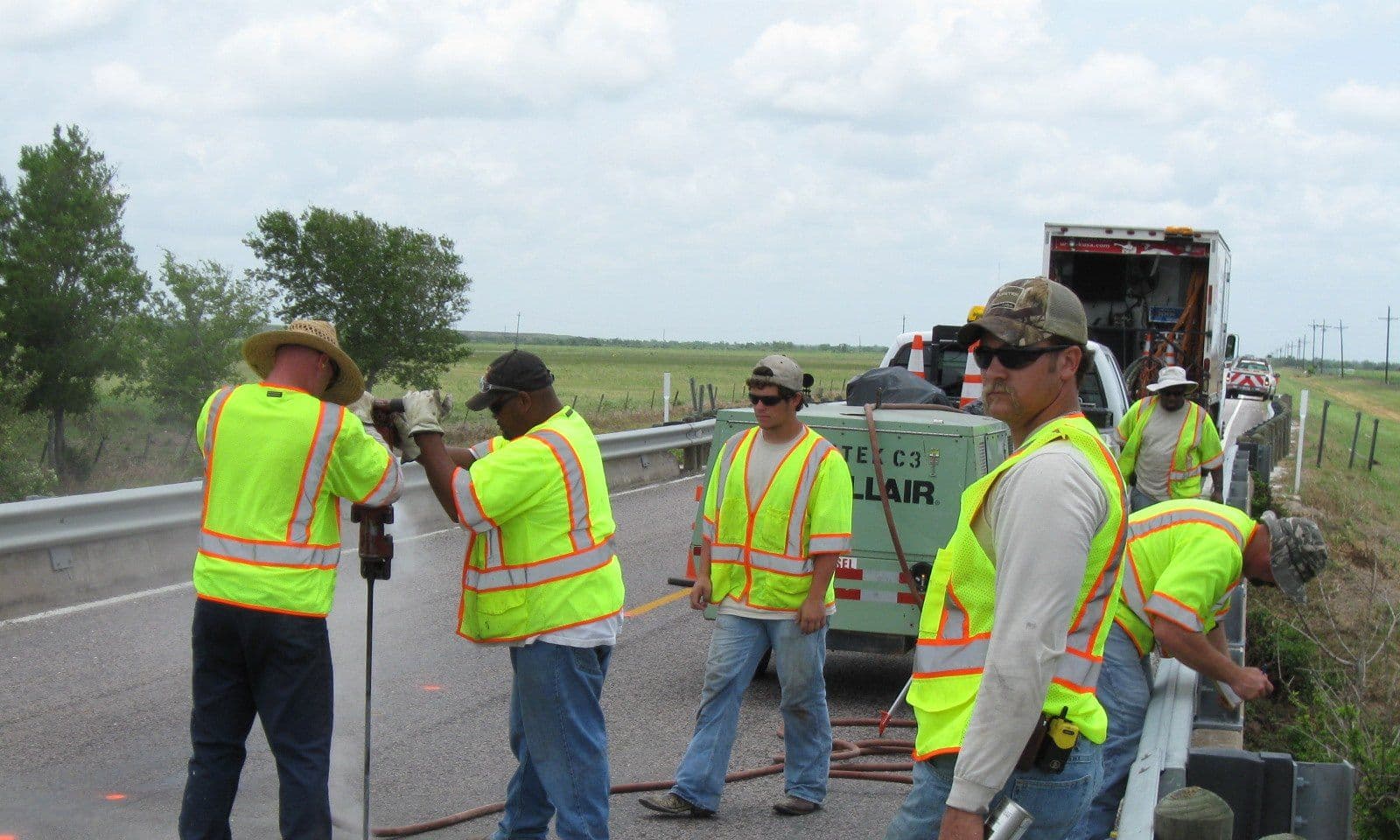
This is the right page when an embankment, bank, or slope is losing soil, cracking, or sliding, whether it stands on its own or sits behind a seawall or bulkhead.
It's not the best fit in every case. Check these first:
 A retaining or MSE wall itself is leaning, bulging, or separating? See Retaining & MSE Wall Movement.The ground has already collapsed into an open hole, or washed out after a storm or water-main break? See Sinkholes or Storm Washouts & Water-Main Breaks.Soil is washing out underground, away from any slope or wall? See Soil Loss & Erosion Voids.
What strengthening the ground inside an embankment, instead of rebuilding what sits on it, actually gets you.
Strengthens the soil inside the embankment, addressing the erosion behind the surface damage instead of only patching the top
Keeps the structure on top in place. On a municipal marina seawall on Florida's west coast, all identified voids were filled and the embankment was stabilized without excavation or wall replacement
Treats the full depth of the problem. The same project used a 4-foot injection grid at three depths, 4, 8, and 12 feet below grade, from the void zone behind the wall down to the sand beneath its footing
Keeps the site in use. Pedestrians and cyclists kept using the Florida promenade during the work, and a Massachusetts seawall embankment was stabilized in one week with lane restrictions instead of a road closure
Treats the whole length, not one spot. On an effluent pond in Missouri City, Texas, more than 100 injection sites formed a continuous 500-foot stabilized zone along the bank
Soil Stabilization and Retaining Wall Stabilization, the Services, perform this fix, chosen based on whether the embankment stands on its own or is held by a wall
URETEK's general approach starts by finding where the embankment is losing soil and how deep the weakness goes, through inspection and, where needed, probing behind the wall or along the slope. Crews then inject expanding polymer on a planned grid at several depths, filling voids and consolidating the loose soil around them, and sealing the joints where water is carrying soil out. Movement and elevation are monitored throughout.
This is the job Soil Stabilization performs, together with Retaining Wall Stabilization where the embankment is held by a wall. It's different from Retaining & MSE Wall Movement's focus on the wall structure itself, and from Storm Washouts & Water-Main Breaks' emergency response after a sudden washout.
URETEK has stabilized embankments behind seawalls and along banks and waterways for cities, transportation departments, and waterfront owners nationwide.






The repair targets the cause, not just the surface. On a municipal marina seawall in Florida, the program sealed the leaking joints that were letting tidal water carry soil out and filled every identified void behind the wall. We verify the result with survey monitoring and probing or GPR along the treated section where specified.
Often not. On the Florida marina the wall itself was sound; the problem was the ground behind it. Stabilizing the embankment, sealing the leak pathways, and restoring the lost soil support avoided a full seawall replacement.
In most cases, yes. Pedestrians and cyclists kept using the Florida waterfront promenade during the work, and a Massachusetts seawall embankment was stabilized in one week with lane restrictions instead of a full road closure.
As deep as the weakness. On the Florida project, injection tubes on a 4-foot grid reached 4, 8, and 12 feet below grade, from the void zone behind the wall down to the sand beneath its footing.
Yes, with containment built into the plan. On the Florida marina project, containment booms ran along the entire treatment length to capture any excess material and protect the marina waters.
Get the soil inside the embankment stabilized before the surface on top of it gives way.
Request an Assessment

 800-240-7868


