

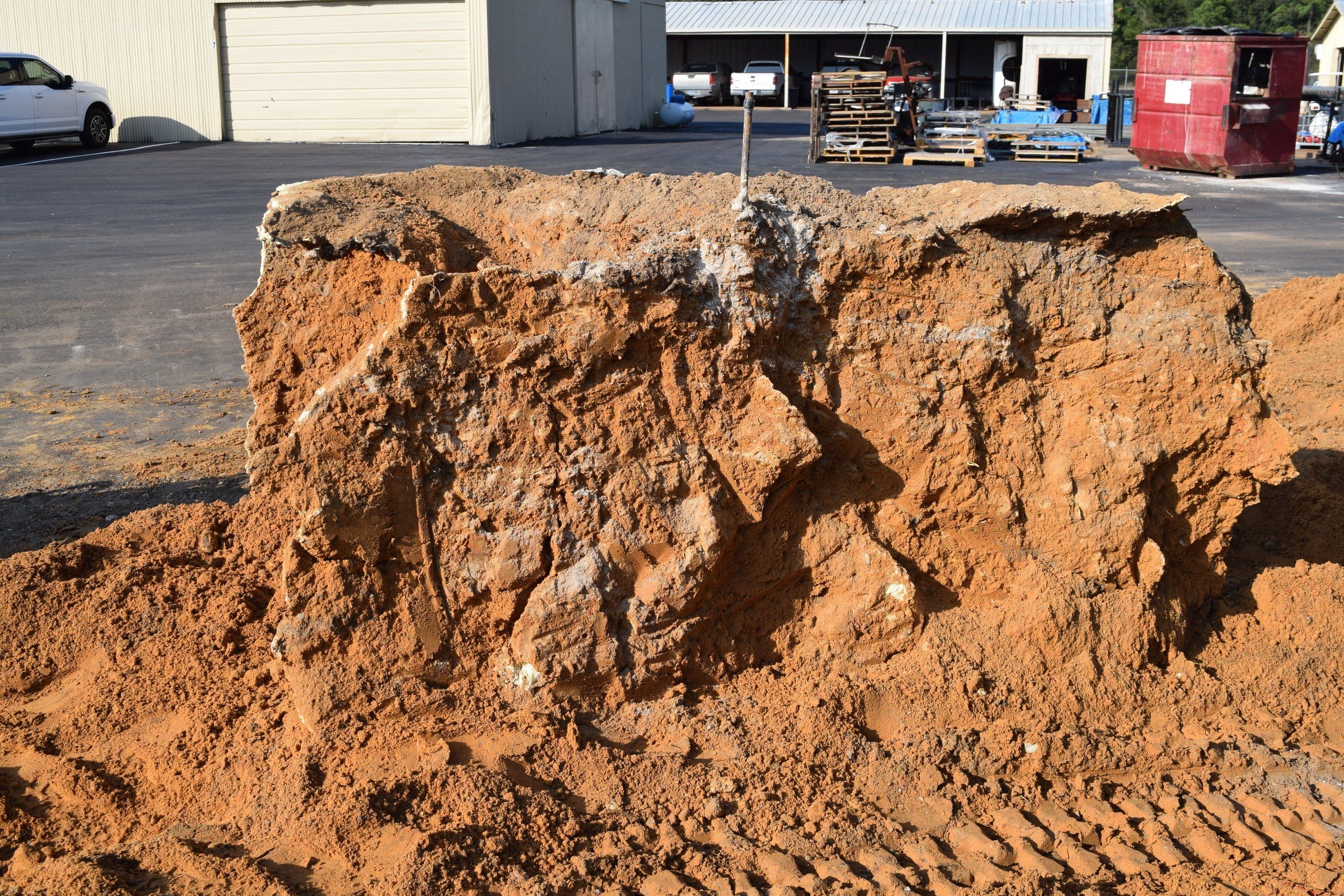
Sand behaves differently than other soil. Deposited by water and never mechanically compacted, it can shift under load for decades before it finally gives way.
Applied in these Services
Soil Stabilization

URETEK Deep Injection® (UDI)
Related Industries
Transportation
Marine and Coastal
Need a Site Assessment?

800-240-7868

Sand behaves differently than other soil. Deposited by water and never mechanically compacted, it can stay loosely packed for decades, until traffic, vibration, or added load finally gives it a reason to shift. Loose Sands densifies that sand directly in place, without removing or replacing it. Engineers and transportation agencies turn to it whenever testing shows sandy soil at a lower density than it needs to reliably carry the load above it.
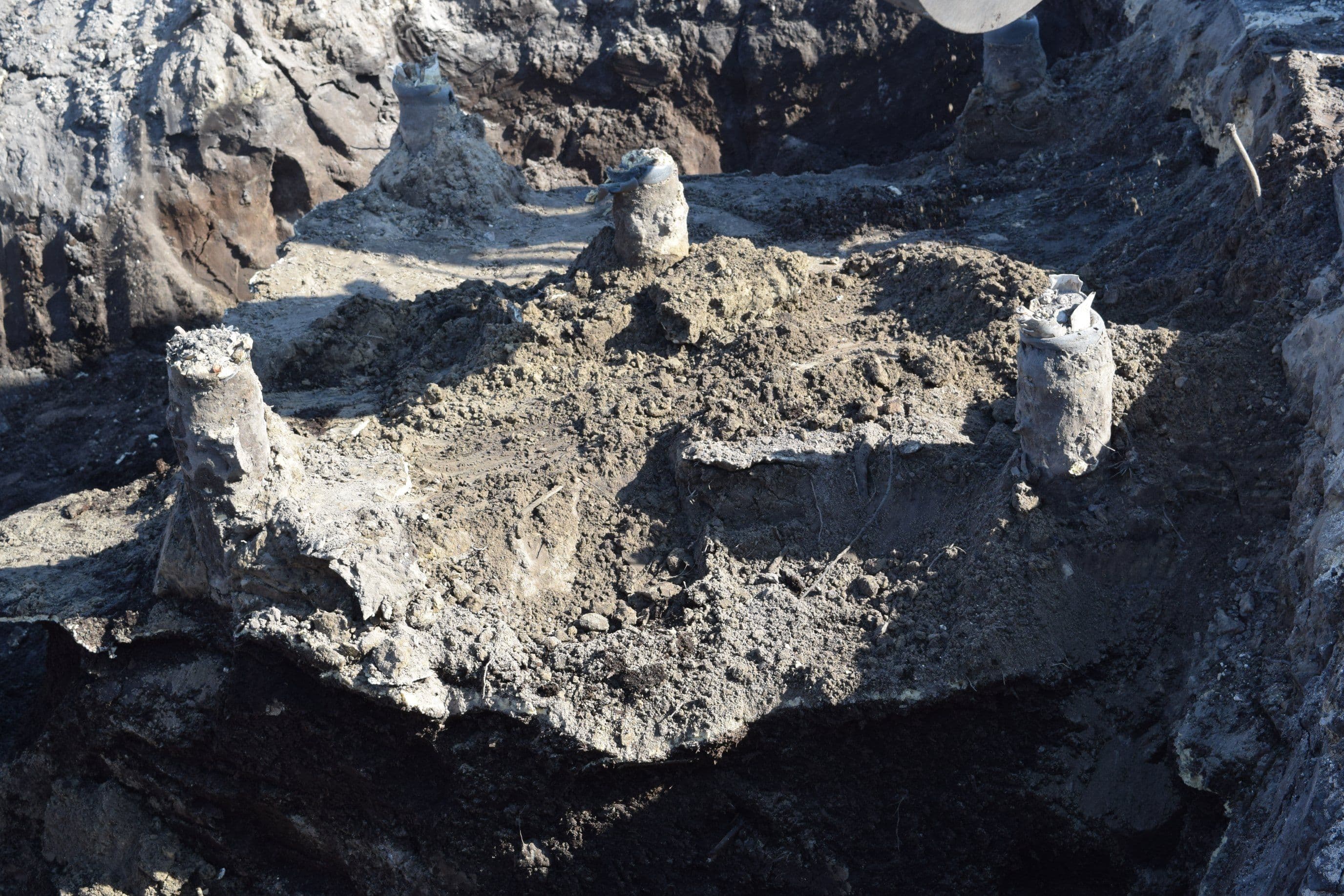
Loose sand is usually a condition of how the sand got there in the first place, not something that happened suddenly. Here's what URETEK finds most often.

Sand deposited by water, whether river, coastal, or historic flooding, that was never compacted to a stable density
Vibration from traffic, machinery, or nearby construction gradually loosening sand that was once more tightly packed
Water saturation temporarily reducing friction between sand grains, allowing them to shift more easily under load
Sand fill used during original construction that settled unevenly because it was never properly compacted
Loose sand often shows up first near the structure it's supporting, before it becomes an obvious problem. Watch for these.
Geotechnical testing showing sand at a lower density than what's needed to reliably support the load above it
A structure or roadway built on or near sandy soil showing gradual, uneven settlement
Sand visibly shifting or settling around a bridge abutment, foundation, or retaining structure
Ground that feels notably soft or gives way underfoot in a specific sandy area
A site near a river, lake, or coastline with a known history of sandy, granular soil
Nearby construction or heavy equipment traffic coinciding with new settlement in a sandy soil area
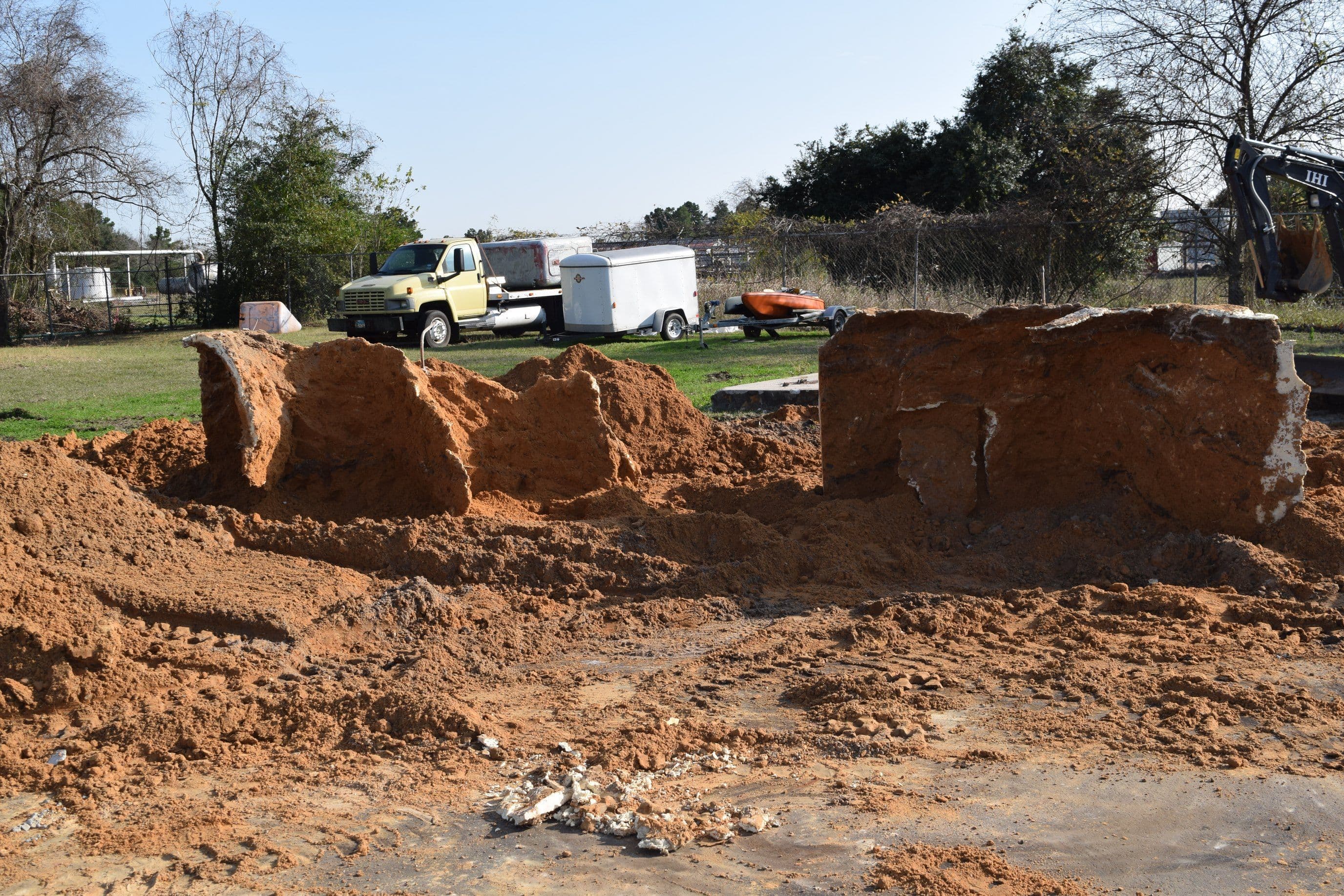
This is the right page when the soil involved is specifically sand, or a sand-and-gravel mix, that hasn't been compacted to a stable density.
It's not the best fit in every case. Check these first:
 The soil is weak but not specifically sandy? See Weak Soils.The concern is specifically seismic liquefaction risk in sandy soil, not general looseness? See Liquefaction Risk.Soil is being actively washed away by water, rather than just loosely packed in place? See Soil Loss & Erosion Voids.
Loose sand near a bridge abutment or waterway often overlaps with erosion concerns. If water is actively carrying sand away rather than just leaving it loose, Soil Loss & Erosion Voids is worth checking too.
What densifying loose sand in place, instead of removing and replacing it, actually gets you.
Densifies sand directly where it sits, increasing its stability without excavating or replacing the material
Reduces the risk of a structure or roadway built on loose sand settling unevenly as the sand continues to shift under load
Doesn't require accessing the affected area from below. On the Sault Ste. Marie International Bridge, injections were applied from the top of the bridge itself, stabilizing sand, gravel, and rock around the abutments
Measured in days, not weeks. Both sides of that same bridge repair were completed in two days
Soil Stabilization (URETEK Deep Injection®) performs this fix: structural polymer compacts and confines the loose sand and forms stabilized support zones
URETEK injects structural polymer at designed depths into the loose sand layer identified by testing. The polymer compacts and confines the sand and forms stabilized support zones, so the layer resists further shifting under load. On the Sault Ste. Marie International Bridge, this work was done entirely from the bridge deck, stabilizing sand, gravel, and rock around the abutments without accessing them from below.
Soil Stabilization (URETEK Deep Injection®) is the service that performs this fix. It's different from Weak Soils' broader, not-sand-specific framing, and different from Liquefaction Risk's focus on seismic performance.
URETEK has densified loose, granular soil beneath bridges, roadways, and waterfront structures nationwide.






On the Sault Ste. Marie International Bridge, repairs cost approximately 1% of the estimated reconstruction cost of the abutments, based on testing the actual sub-surface conditions rather than applying a generic patch.
On the Sault Ste. Marie International Bridge, injections were applied from the top of the bridge itself to stabilize sub-surface sand, gravel, and rock in and around the abutments, without needing separate access from below.
In many cases, significantly so. On the Sault Ste. Marie International Bridge, the repair cost approximately 1% of the estimated reconstruction cost of the abutments.
Yes, in many cases. On the Sault Ste. Marie International Bridge, both sides of the bridge repairs were completed in two days.
Sand deposited by water is often left loosely packed to begin with, and water saturation further reduces the friction between individual sand grains, making it more prone to shifting under load than soil that was mechanically compacted during construction.
Get it densified in place before it settles unevenly.
Request an Assessment

 800-240-7868


