

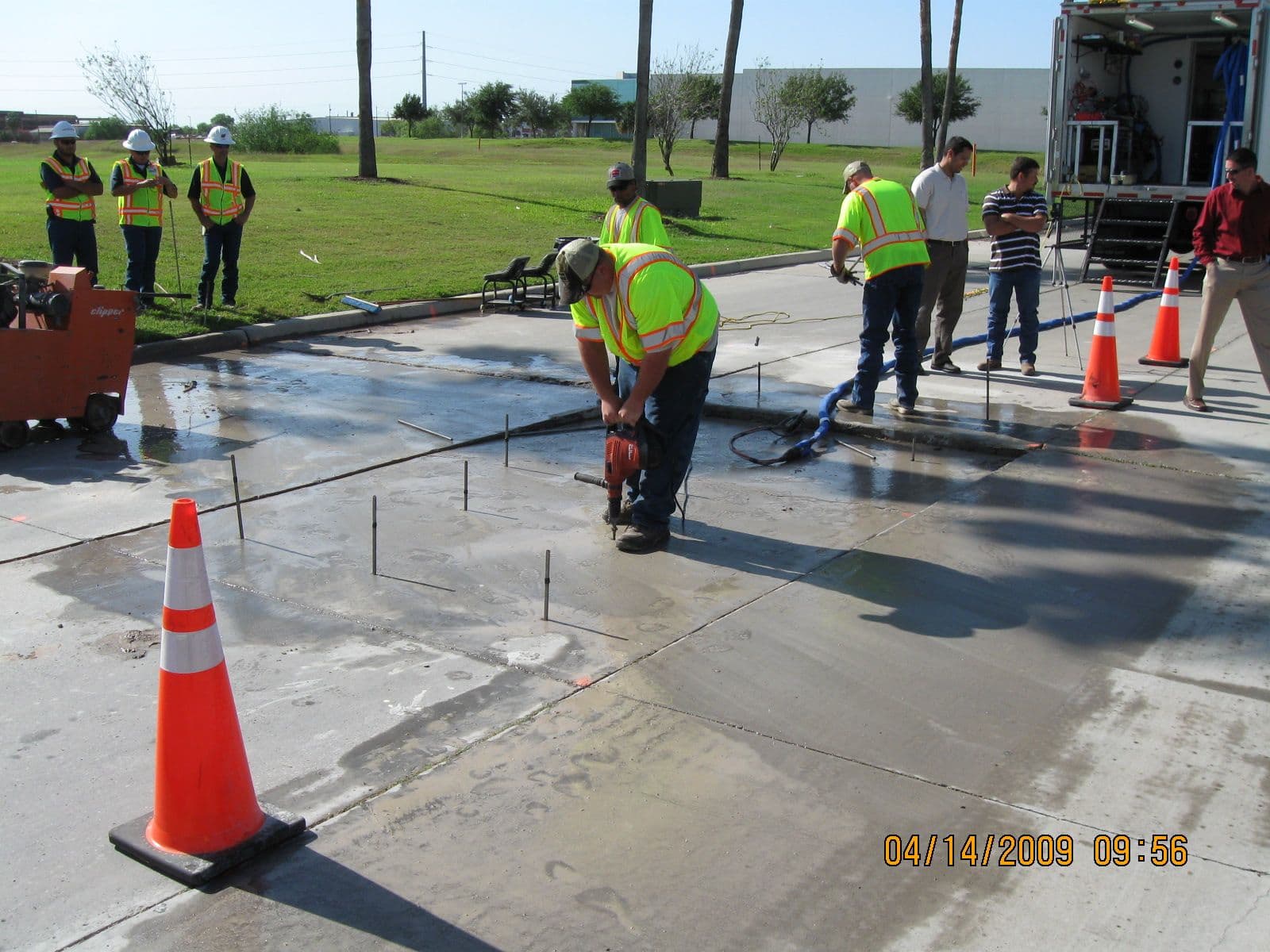
A joint in concrete or masonry is built to move a little, but once it opens up, it becomes a way in for water and a way out for the soil beneath it.
Solutions for this Service
Joint Leaks

Tunnel Leaks
Manhole Infiltration
Pavement & Runway Settlement
Related Industries
Transportation
Water and Wastewater
Need a Site Assessment?

800-240-7868

A joint in concrete or masonry is built to move a little, but once it opens up, it becomes a way in for water and a way out for the soil beneath it. Joint Sealing injects material directly around a leaking or separated joint to close that path, without removing or replacing the surrounding structure. Engineers, private owners, and public agencies use it on pavement, pipes, manholes, culverts, and structural panels wherever a joint has become the source of a bigger problem.
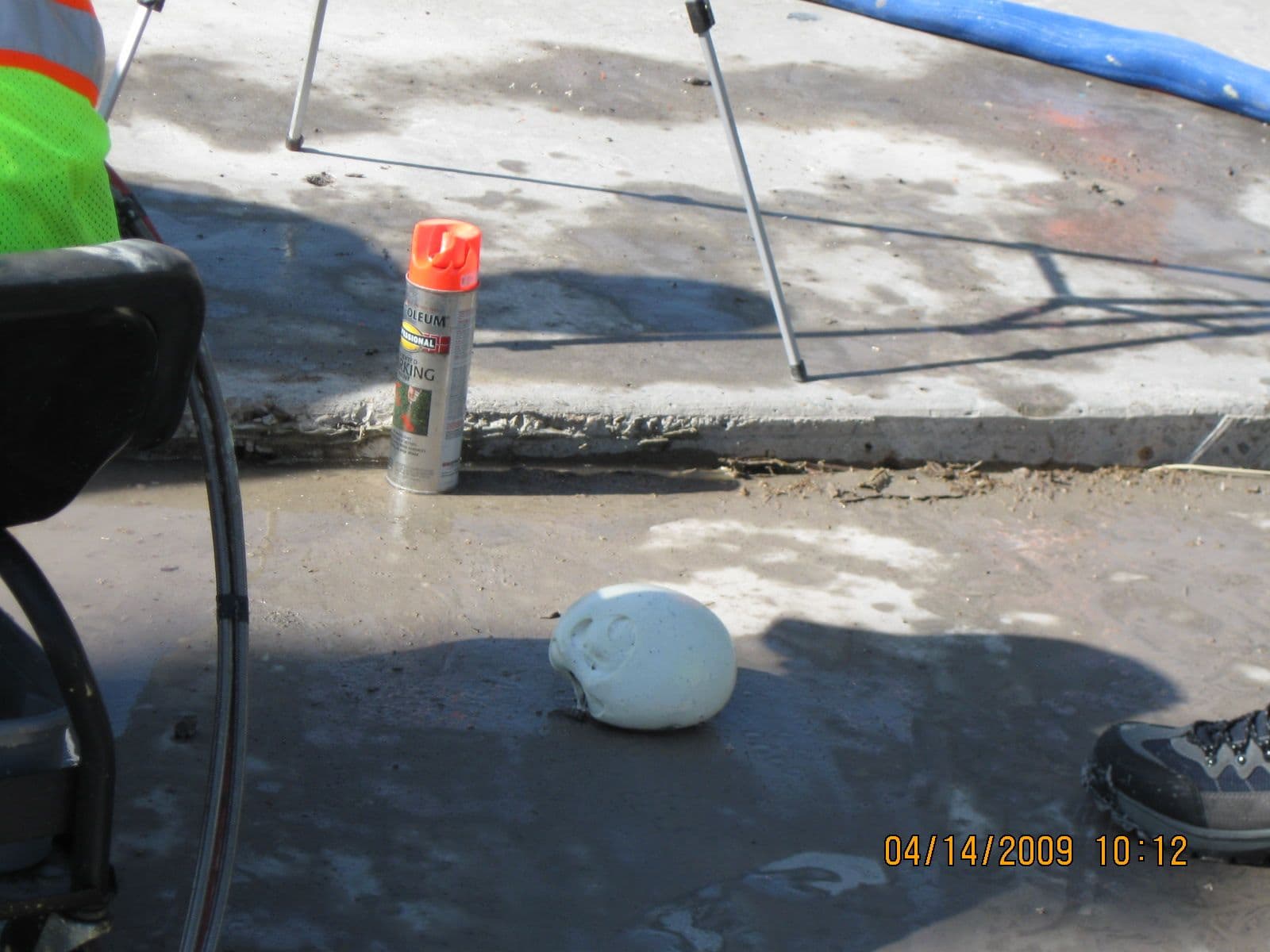
A leaking joint doesn't stay a small leak. Here's what it leads to if it's not sealed.

Water infiltration through pavement, pipe, or structure joints that keeps eroding the soil beneath them
Soil migration out through a leaking joint that leaves voids and eventually undermines the structure above
Faulted or misaligned joints where one side of the joint has settled relative to the other
Repeated freeze-thaw or traffic loading that widens a joint that was never fully sealed
A failing joint usually shows itself before the surrounding structure does. Watch for these.
Water visibly seeping or dripping from a joint in a pipe, culvert, or manhole
A gap or crack that has widened at a pavement joint over time
Soil or fines washing out around a joint after rain or flowing water
A faulted joint, where pavement on one side sits noticeably higher or lower than the other
Staining, efflorescence, or mineral buildup around a joint, a sign water has been passing through it
Settlement or a soft spot forming directly next to a joint
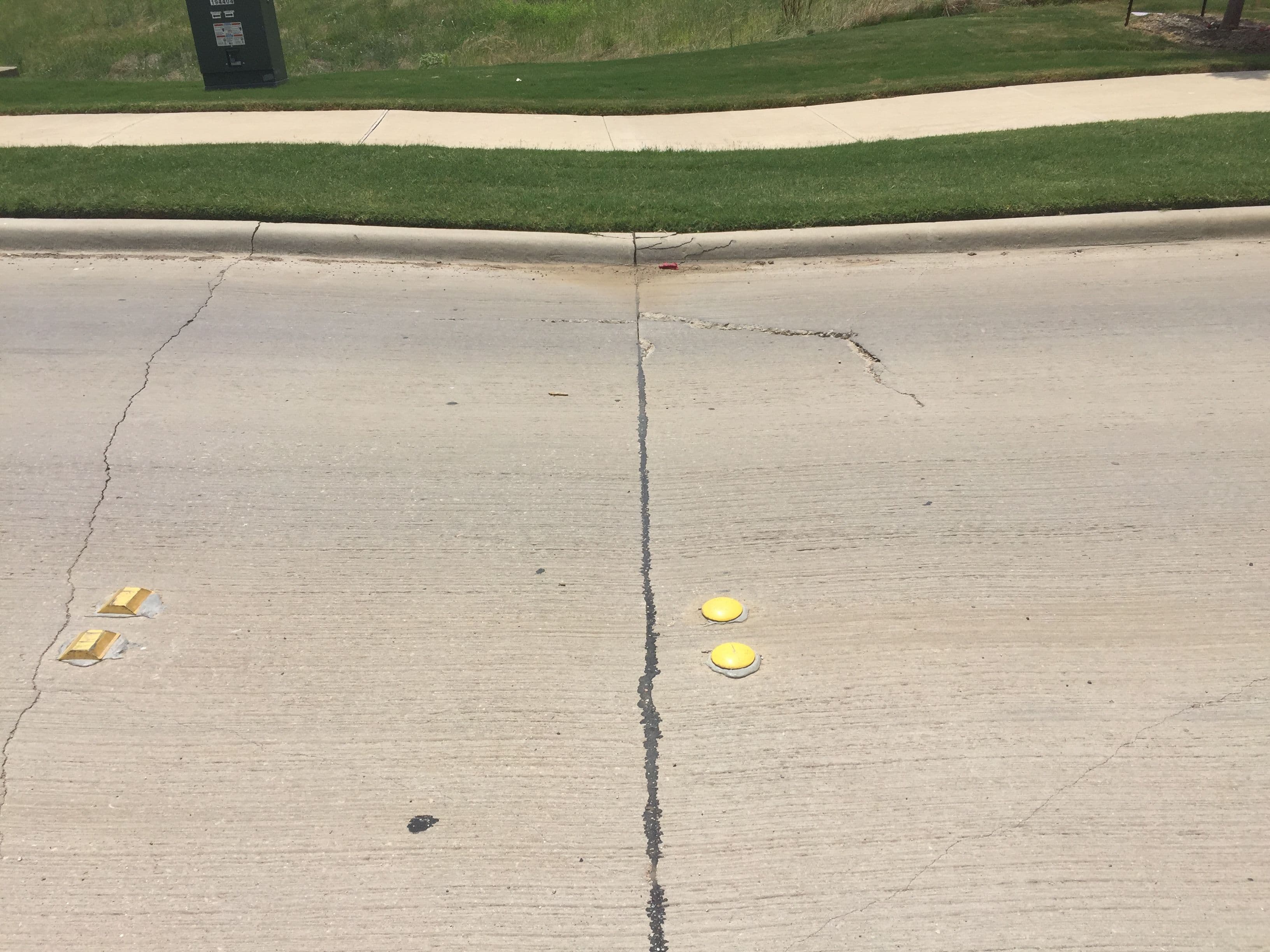
Why engineers and agencies choose Joint Sealing over full replacement.
Works across a wide range of joint types. URETEK seals pavement transverse and longitudinal joints, pipe and culvert joints, manhole connections, and expansion joints in tunnels and airfields.
Stops the erosion cycle before it undermines the structure. Sealing the joint keeps soil from continuing to wash out beneath pavement, pipes, or panels, which is what eventually causes settlement or a void.
Can be done with little or no excavation where conditions permit. On a canal seawall project in Southwest Florida, URETEK sealed leaking joints between precast panels entirely from inside the box culvert, with no exterior digging and minimal disruption to the waterway above.
Keeps roads and facilities in normal use during the work. Pavement joint sealing is typically completed with no daytime lane closures, and a 60-linear-foot airfield expansion joint project met its completion deadline without disrupting operations.
Uses a material built to seal the joint. Depending on the joint, URETEK injects a hydrophobic polyurethane or acrylate gel that expands to form a positive encasement seal around the joint's full profile, rather than the general soil-densifying polymer used in most other URETEK services.
Joint Sealing is the right call when a specific, identifiable joint in pavement, pipe, or a structure has opened up and is letting water in or soil out, and the rest of the structure around it is otherwise sound. It's built for pavement joints, pipe and culvert joints, manhole connections, and structural expansion joints.
It's not the right tool when the surrounding slab or foundation has settled broadly, not just at the joint. In that case, URETEK Deep Injection® (UDI) or Foundation Repair & Underpinning addresses the underlying settlement directly. It also isn't the fit when the leak is coming through a broad porous wall or floor surface rather than a discrete joint; Waterproofing & Leak Sealing is built for that. And when the goal is a continuous underground water barrier across a wide area rather than sealing one joint, Curtain Grouting & Grout Curtain Barrier Systems is the closer match.
Joint Sealing is often paired with URETEK Deep Injection® (UDI) when settlement caused the joint to open in the first place, since correcting the settlement keeps the joint from reopening after it's sealed.
1
Evaluate
A URETEK project manager evaluates the site, the soils, and the failure mode, and designs the treatment around what the data shows. That includes the joint and the surrounding structure.
2
Deploy
Crews mobilize on the schedule the site needs, including nights, weekends, or holidays, in a self-contained unit.
3
Drill
Small holes are drilled directly at or near the joint, sized to reach the joint's full profile.
4
Inject
A hydrophobic polyurethane or acrylate gel is injected, expanding to form a continuous seal around the joint.
5
Clean Up
There's little or no excavation to backfill and no trench to restore, so cleanup is minimal.
6
Validate
We verify the result with leakage observation (and the owner's acceptance testing where specified) and hand over the injection and test records.
URETEK has sealed joints for airports, municipalities, and canal and culvert systems nationwide, backed by decades of engineering and execution experience.



The injected material expands around the joint to form a positive encasement seal rather than sitting loosely inside the gap, so it doesn't rely on the joint staying perfectly still to keep working. At Cincinnati/Northern Kentucky International Airport, a 60-linear-foot expansion joint treatment achieved a continuous seal with no visible seepage under acceptance testing. Designed for long-term performance when properly selected and installed.
Depending on the joint and the water conditions, URETEK injects either a hydrophobic polyurethane or an acrylate gel, materials chosen specifically to bond and expand around a joint rather than the general soil-densifying polymer used elsewhere in URETEK's services. As it expands, the material forms a continuous seal around the joint's full profile, not just at the visible gap.
In most cases, yes, since sealing addresses the joint directly instead of removing and replacing the surrounding structure. On a faulted taxiway joint project in Louisiana, URETEK's injection-based repair saved the airport more than half the cost of replacing the pavement outright.
Yes. On a canal seawall project in Southwest Florida, URETEK sealed leaking joints between precast panels entirely from inside the box culvert, with no exterior excavation, and still met the project's 60-day substantial completion deadline. Pavement joint sealing is typically done through small holes drilled directly into the joint area, with no daytime lane closures.
Joint Sealing is used on pavement transverse and longitudinal joints, pipe and culvert joints, manhole connections, precast panel joints in seawalls and structures, and expansion joints in tunnels and airfields, anywhere a joint in concrete or masonry is letting water in or soil out.
Get a leaking joint sealed before it erodes the soil around it. URETEK crews respond fast, including emergencies.
Request an Assessment

 800-240-7868


