

Written By Admin
|
Published on 8/12/2026
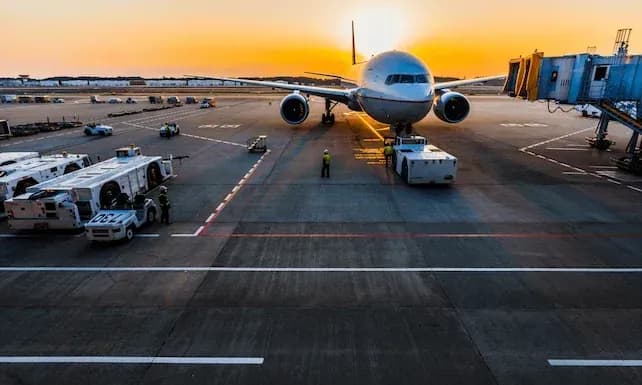
Taxiways, the pathways that allow aircraft to maneuver between runways and terminals, are a critical part of an airport's infrastructure. Over time, they can experience wear and tear, including the development of cracks, voids, and other forms of damage. This article explores the challenges faced in airport taxiway maintenance, and effective techniques, such as URETEK Deep Injection® (UDI) technology, that can prevent and repair these issues efficiently and cost-effectively.
From adverse weather conditions to continual heavy load bearing, taxiways face frequent structural stress. Here are the ways airport operators can stay ahead of it.
1. Regular Inspections and Repairs Regular and thorough inspections allow for early detection of irregularities, such as cracks, rutting, depressions, and surface wear. Once distressed areas are identified, frequent repairs and maintenance must be undertaken to maintain the taxiway's structural integrity and safety.
2. Soil Stabilization Underlying soil compression and settlement can destabilize structures above. Through methods like Deep Injection Procedures, a stabilizing material is injected into the soil, increasing its density and improving its load-bearing capacity. The strengthened soil provides better support for the taxiway structure above, while minimizing the risk of future subsidence.
3. Modern Technologies Techniques such as laser scanning and ground penetrating radar are used for accurate mapping of taxiway surfaces, allowing for the identification of concealed issues like subsurface voids and early damage detection. This type of analysis is a key part of the URETEK Deep Injection® (UDI) process. UDI is an effective, minimally invasive solution for stabilizing and leveling taxiways, minimizing disruptions while maximizing safety.
Efficient maintenance of airport taxiways is crucial to ensure they can withstand the rigorous demands of daily airport operations, promoting safety and minimizing downtime. A comprehensive maintenance plan should ideally include regular inspections, prompt repairs, strategic soil stabilization, and embracing advanced technologies. Through the integration of these techniques, airport operators can enhance the longevity of their taxiways, ensuring smooth, safe, and on-schedule airport operations.
Contact URETEK today to learn more about how UDI technology can benefit both landside and airside airport maintenance projects.
A stabilizing material is injected into the soil beneath the taxiway, increasing its density and load-bearing capacity. This gives the structure above better support and reduces the risk of future subsidence.
Laser scanning and ground penetrating radar are used to accurately map taxiway surfaces and identify concealed issues like subsurface voids, as part of the URETEK Deep Injection® (UDI) process.
No. UDI is a minimally invasive solution for stabilizing and leveling taxiways, designed to minimize disruptions while maximizing safety.
See how URETEK's UDI technology keeps airport taxiways safe, level, and operational.
Request an Assessment

 800-240-7868


